Who We Are
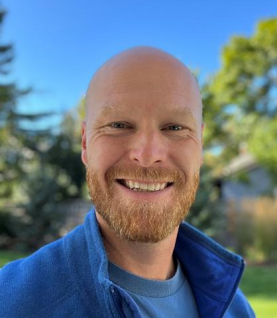
Brendan Connors - I am a Research Scientist based out of the Institute of Ocean Sciences in Victoria. I originally joined DFO in 2018 as the Program Head for Sablefish (aka Black Cod), a long lived demersal species that supports a commercially important fishery off of Canada’s west coast. In 2021 I switched gears to start up a salmon focused research program with an emphasis on quantitative methods, salmon-ecosystem interactions, and fisheries risk assessment and management. Prior to joining DFO I did a postdoc in the School of Resource and Environmental Management at Simon Fraser University on salmon macroecology and assessment of indicators of conservation status, and then spent five years at ESSA Technologies. I completed my PhD at Simon Fraser University in the Department of Biological Sciences on parasite ecology and population level consequences of farmed and wild salmon interaction and spent most of my springs working out of the Salmon Coast Field Station in the Broughton Archipelago. A list of my publications is available in Google Scholar.
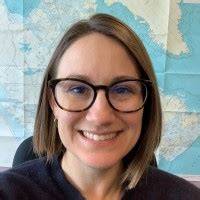
Brooke Davis - I joined DFO as a biologist in 2015 after finishing a Masters degree in the Quantitative Ecology and Resource Management program at the University of Washington. After doing undergraduate research with Dr. Anne Salomon at Simon Fraser University, focusing on intertidal ecology, I was drawn the marine world, and being on the West Coast it was nearly impossible to resist the lure of working on salmon. When I had the opportunity to work with Dr. Daniel Schindler for my thesis research at UW, the hook was set. Investigating the population complexity of Bristol Bay Sockeye, and the benefits this provides for these population, and the broader ecosystem, and a visit to Alaska, officially had me caught up in the world of salmon. I now lead a small program focused on salmon decision support tools, based out of the Lower Fraser Area Office, in Delta, BC. We take on projects across species and areas, where quantitative support is required to provide science advice. During my time at DFO I’ve worked on population benchmarks, forecasting Fraser sockeye and pink salmon, building simulation models for Southern BC Chinook, modelling run-timing and exposure of Interior Fraser Steelhead to fisheries, improving Species Composition methods in the lower Fraser Hydroacoustic sites, and fit more Ricker curves than I could possibly remember. I am also a Pacific Region representative for DFO’s Technical Expertise in Stock Assessment (TESA) program, which provides technical training related to fisheries stock assessment to DFO staff. You can find my publications on google scholar.
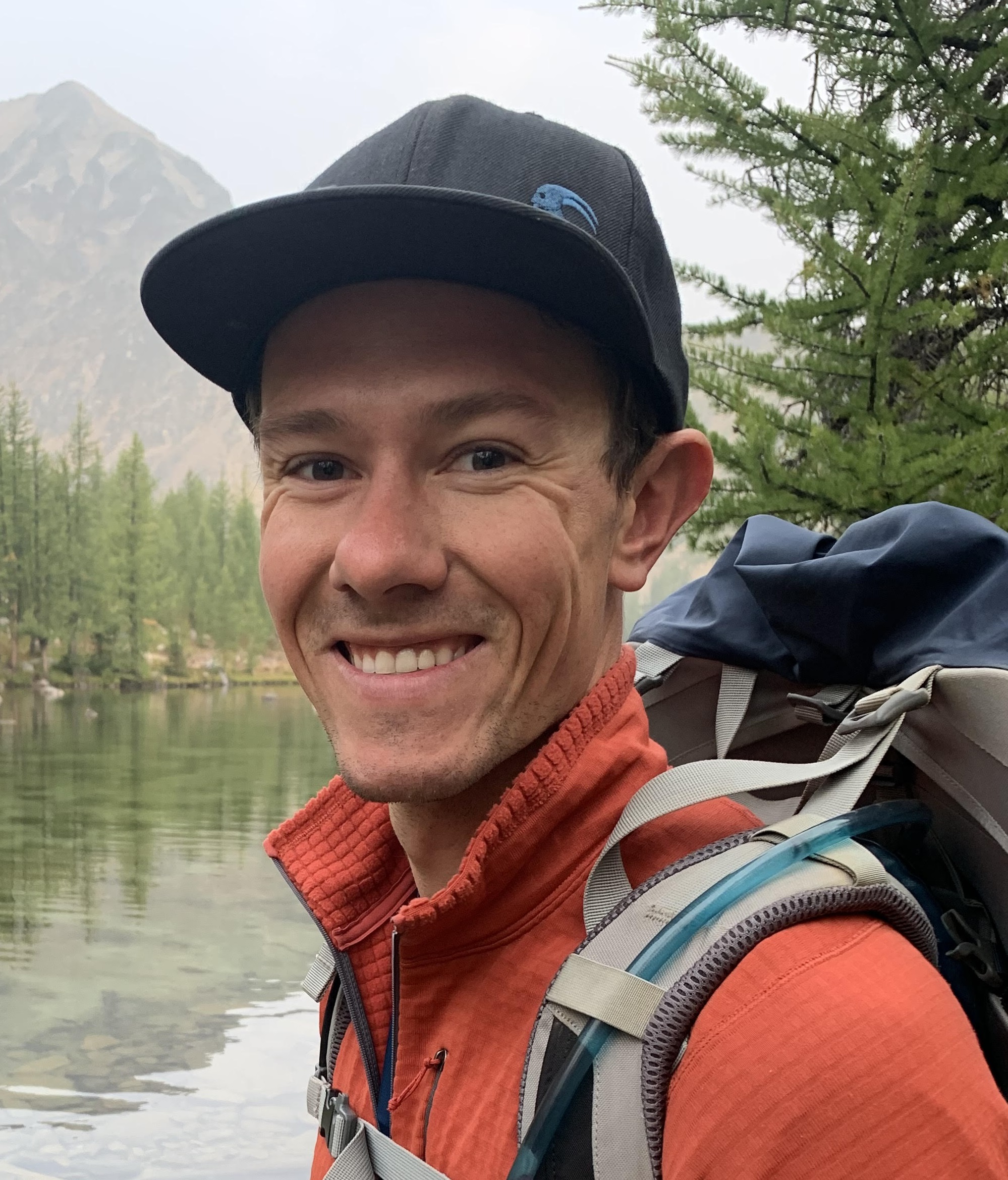
Cameron Freshwater - I am a Research Scientist at the Pacific Biological Station in Nanaimo. I began researching salmon marine ecology as a PhD student at the University of Victoria and joined DFO as a postdoc in 2017 with Carrie Holt where I helped develop closed-loop simulation tools to support fisheries management. Since 2020 I have led the Applied Salmon Ecology Program which specializes in leveraging data from at-sea surveys and telemetry studies to parameterize life cycle models for ecosystem-based management. Our current projects are focused on marine spatial distributions, predator-prey interactions, and fishery impacts. A list of my publications are available on Google Scholar.
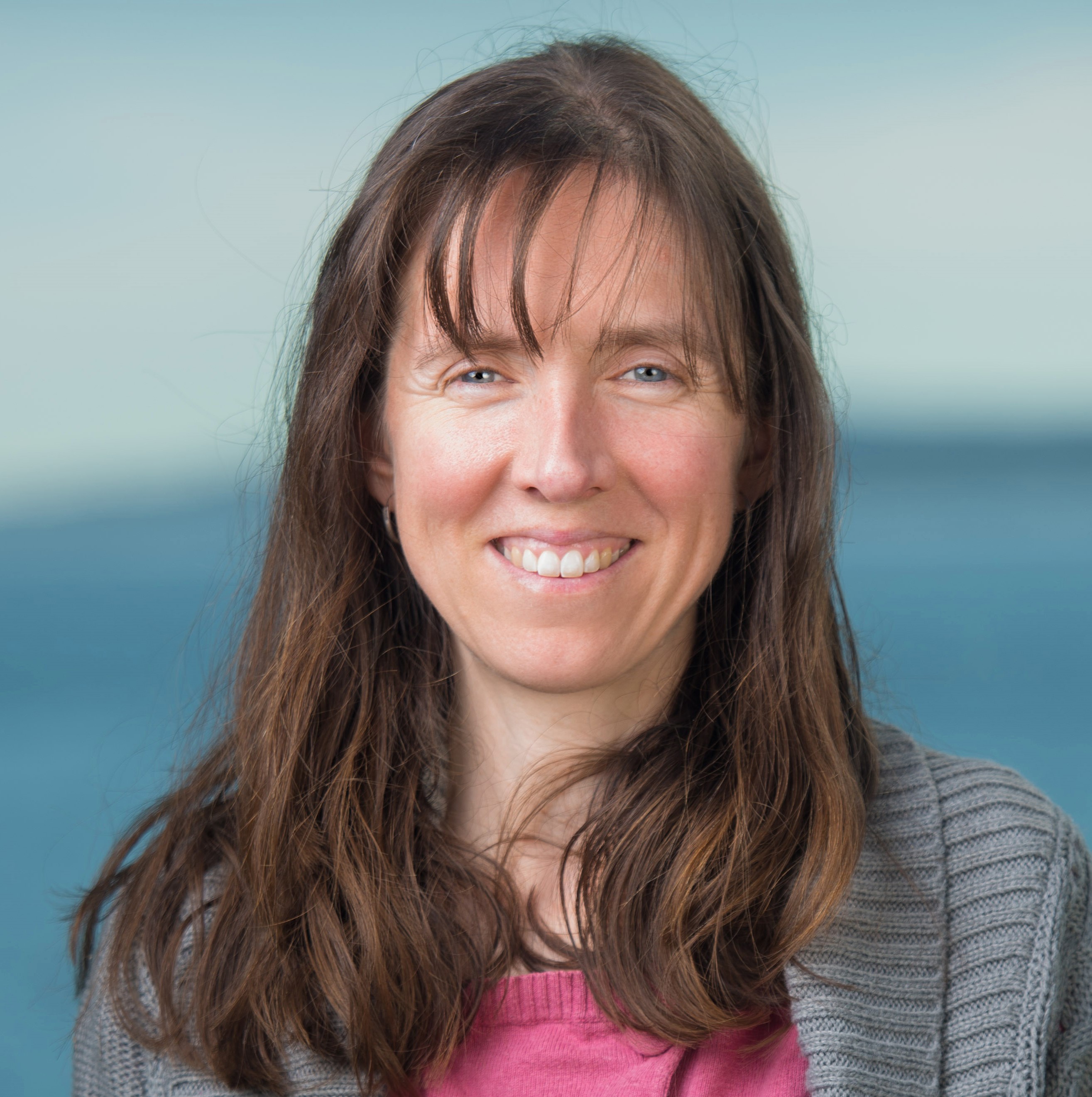
Carrie Holt - I am a Research Scientist at the Pacific Biological Station with Fisheries and Oceans Canada in Nanaimo, BC, leading a program on assessment methods and decision support tools for Pacific salmon. This program aims to facilitate communication and decision-making at the interface between science and management. Research focuses on the development of reference points for Pacific salmon, decision-support tools that integrate harvest, hatchery and habitat impacts for salmon, and assessment approaches that interface western science and Indigenous Knowledge Systems. I started my research career as a young adventurer exploring and enjoying the lakes of Southern Ontario. I studied zooplankton in acid-damaged lakes in eastern Canada for my MSc, followed by a PhD in salmon assessment and management at Simon Fraser University, and post-doctoral research at the University of Washington incorporating climate variables into groundfish assessments. While trained in western science I aim to practice this discipline with openness to a plurality of knowledge systems. My publications are available on Google Scholar.
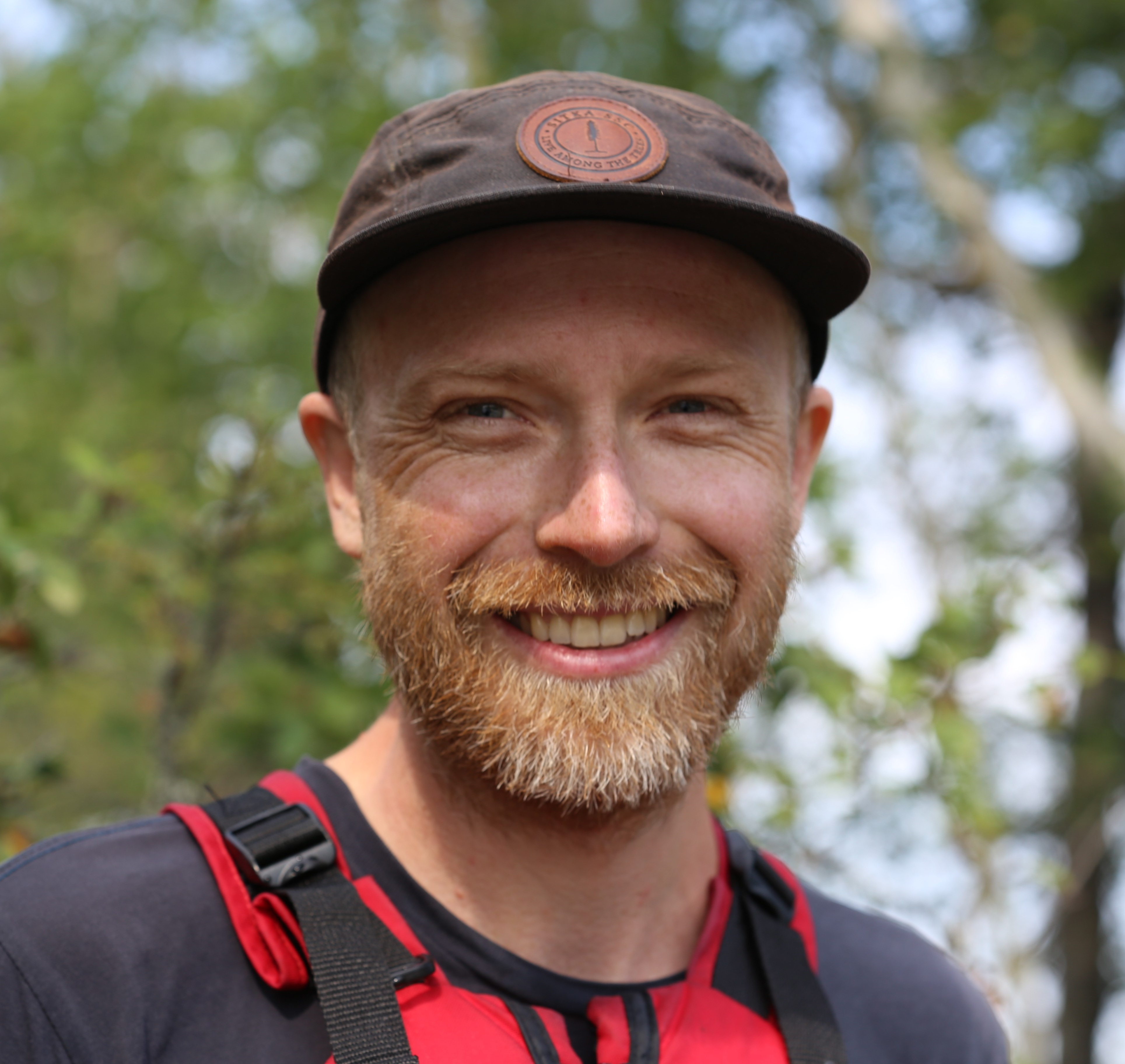
Patrick Thompson - I am a Research Scientist at the Pacific Science Enterprise Centre in West Vancouver. I lead the Salmon in Regional Ecosystems Program, which assesses how environmental factors and management measures influence Pacific salmon. By quantifying these impacts, we aim to provide targeted insights for sustainable salmon management in the face of environmental change. We do so by combining detailed analyses of a few key populations and watersheds with broad-scale hierarchical models that integrate data and knowledge across salmon populations and species throughout the Pacific region. Prior to joining DFO, I completed a postdoctoral fellowship at the University of British Columbia and a PhD in Biology at McGill University, both focused on developing ecological theory to understand how ecosystems maintain biodiversity under environmental change. My publications are available on Google Scholar
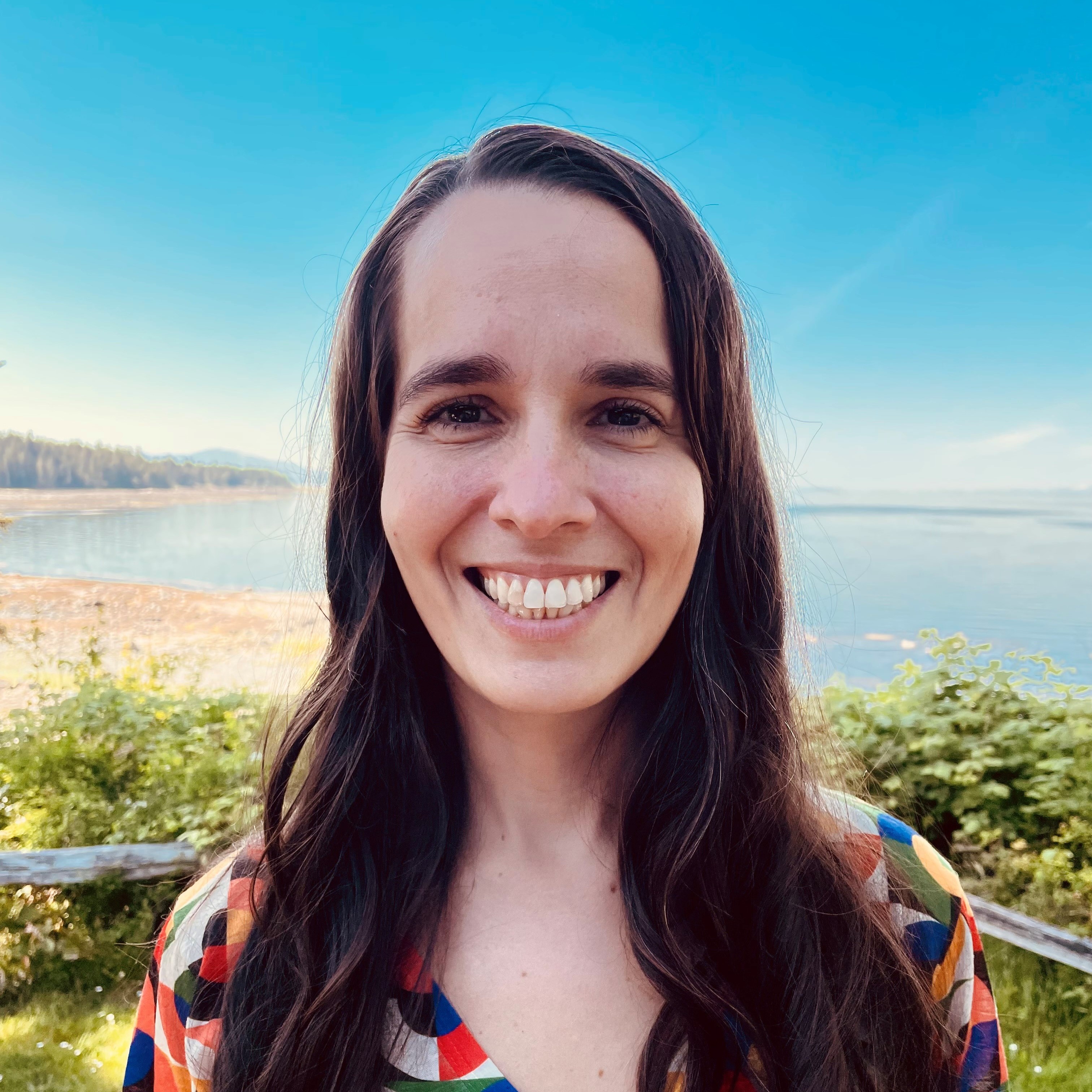
Catarina Wor - I am a Research Scientist at the Pacific Biological Station in Nanaimo. I am originally from Brazil, where I completed my undergraduate degree in Fisheries Engineering. I subsequently earned two additional degrees in fisheries: an M.Sc. from the Virginia Institute of Marine Science and a Ph.D. from the University of British Columbia. I began working with Pacific salmon populations when I joined DFO in 2018, and since then my research has focused on the development and evaluation of stock assessment methods and risk assessment tools for Pacific salmon at both the domestic and Pacific Salmon Treaty spheres. Google Scholar
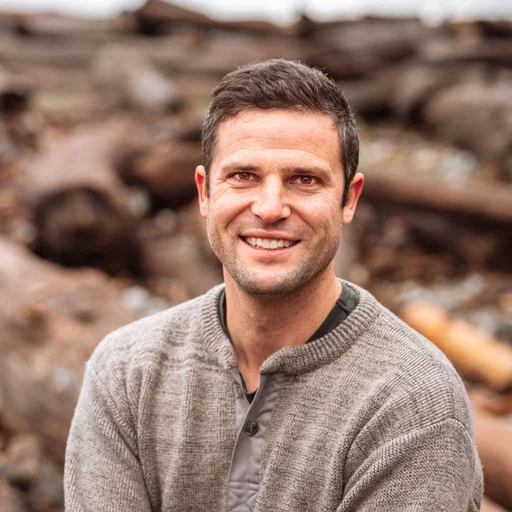
Paul van Dam-Bates - I am a Research Scientist at the Pacific Biological station, working on estimating species composition of salmon on the Fraser River based on hydroacoustic data. I am an ecological statistician and am new to fisheries modelling. I am very interested in computational problems and contribute to the R package NIMBLE, developing numerical methods to approximate posterior distributions as well as efficient MCMC algorithms. I did my PhD at the University of St Andrews in Scotland (2023), developing models to estimate animal density from camera traps and acoustics animal when identities are not known. Before that, I worked as a government statistician at the Department of Conservation in New Zealand, developing national biodiversity monitoring programs. I completed my bachelors (2011) and masters degree (2014) at the University of Victoria, with a focus on capture-recapture methods.
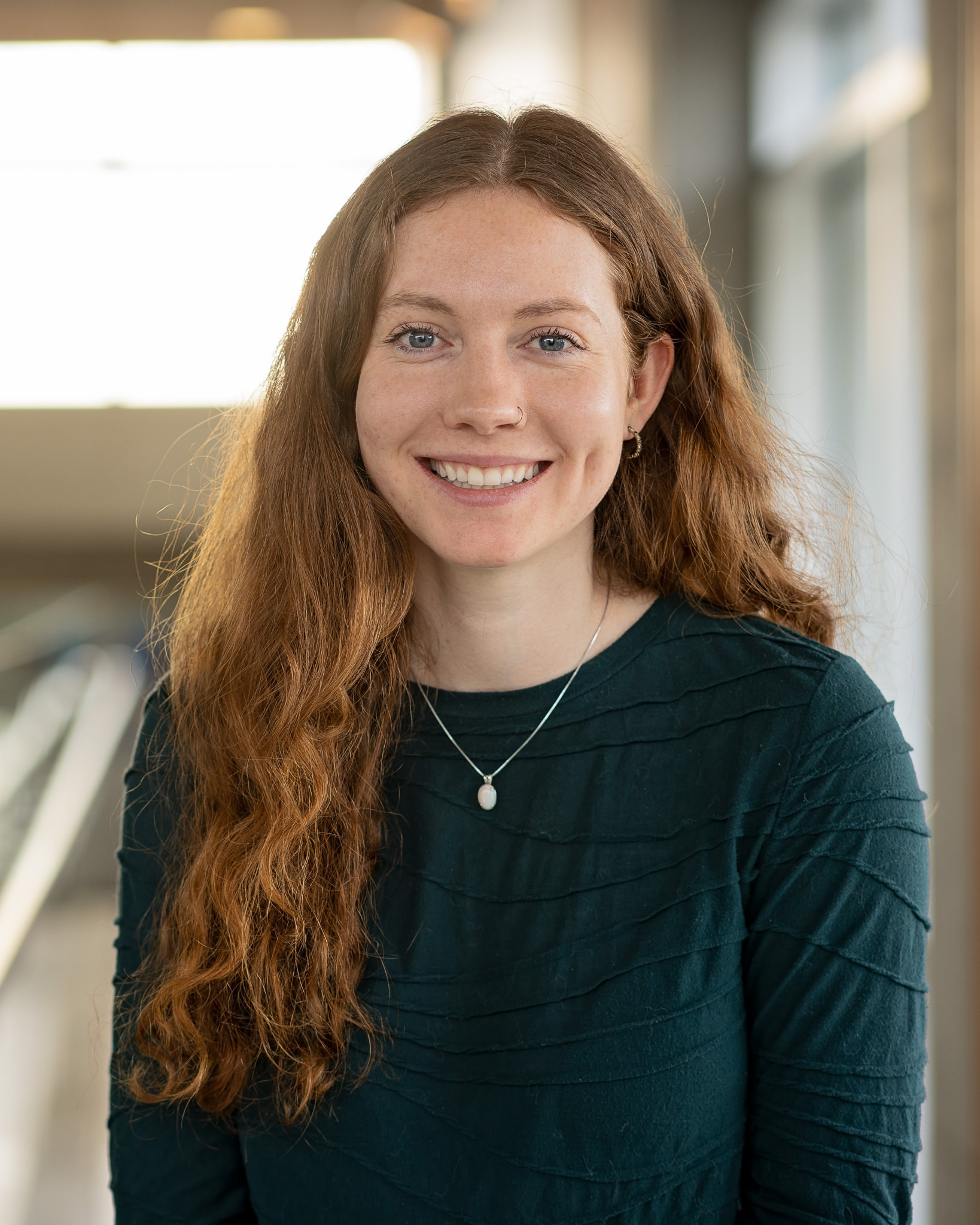
Julie Charbonneau - I am a postdoctoral researcher at Simon Fraser University interested in fisheries ecology, management and conservation. Currently I am working on evaluating the effectiveness of different assessment methods in detecting population declines for units of biodiversity with complex, interconnected population structures – a reality common to Pacific salmon and other species of conservation concern. Since 2025, I have also been serving on the COSEWIC Marine Fishes Species Specialist Subcommittee. During my PhD at Simon Fraser University (2025) I studied how steelhead trout populations and their recreational fisheries are changing across the Pacific Northwest, and the implications of those changes for monitoring and management. Prior to my westward migration I completed my BSc (2017) and MSc (2020) at Dalhousie University in Halifax, Nova Scotia, focussed on detecting the impacts of fishing on commercially exploited marine fish stocks. A list of my publications can be found here.
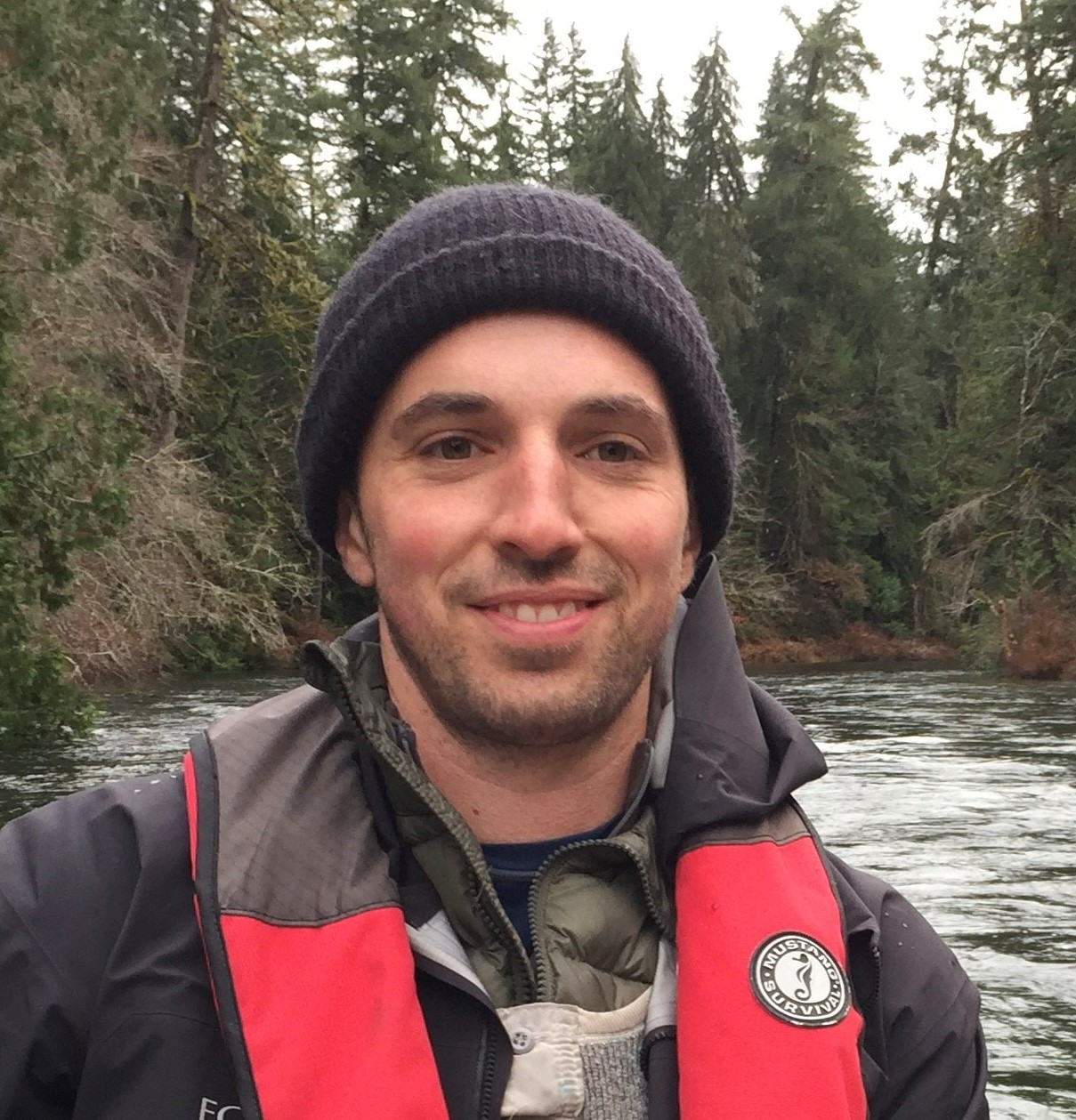
Justin Flemming - I am a biologist at the Pacific Biological Station in the Applied Salmon Ecology Program. My work focuses on the support and delivery of various at-sea acoustic and satellite telemetry programs investigating marine spatial distributions, predator-prey interactions, and fishery impacts. I started working with telemetry applications in 2019 in the consulting field, where I studied steelhead and bull trout habitat use. I continued working with telemetry methods with the BC Provincial Fisheries Program, focusing on cutthroat trout survival and habitat use. I completed my bachelors in 2015 at the University of British Columbia, where I worked in the Pacific Salmon Ecology and Conservation lab.
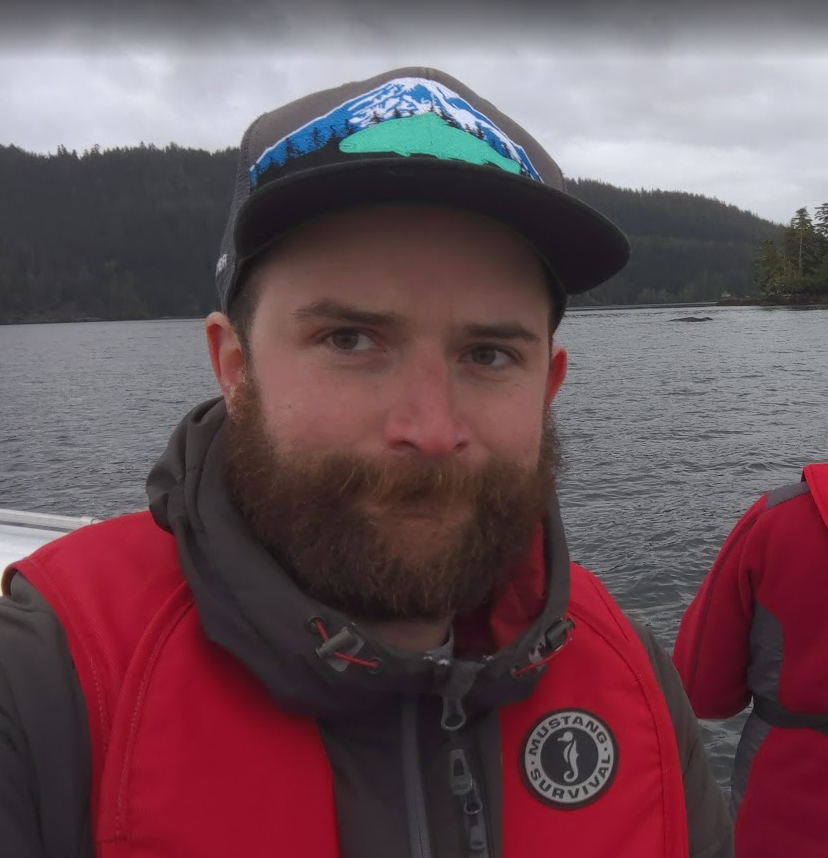
Dylan Glaser - I’m a Research Biologist based out of the Pacific Biological Station. I started working for DFO in 2020, shortly after wrapping up my MSc at the University of Calgary on the population dynaimcs of experimentally harvested, subalpine, invasive (or introduced, depending on your perspective) Brook Trout populations. I was originally hired to help analyze telemetry data from the Big Bar landslide on the Fraser River, but have now found a permanent home in the Salmon Risk Assessment and Management program with Brendan, where I habve been sinec 2022. Most of my work is concerned with identifying escapement goals and doing management strategy evaluation, though sometimes I venture into other research-y type projects.
Dan Greenberg - I am a Research Biologist at the Pacific Biological Station, working on empirical and simulation studies on Pacific salmon population dynamics. Much like the salmon, it was a bit of a long migration to get here – having started my research career over a decade ago studying first the population dynamics of amphibians (M.Sc. – McGill University, 2013) and subsequently their extinction risk from an evolutionary lens (Ph.D. – Simon Fraser University, 2019). Thankfully, amphibians are (in a reductivist sense) just fish that had the audacity to make a living on land – so it was a fairly smooth metamorphosis into reorienting my thinking towards fish population dynamics, where I’ve been working for the past 5 years with postdoctoral positions at Scripps Institute of Oceanography (2020-2021) studying the application of opportunistic citizen science data for fish population monitoring, and then here at Fisheries and Oceans Canada studying salmon spawner-recruit dynamics (2022 – ). My past research, spanning biomechanics, ecophysiology, population ecology, evolution, and more, can be found here.
Ann-Marie Huang -
Tor Kitching -
Anna Potapova -
Alumni (aka gone but not forgotten…)
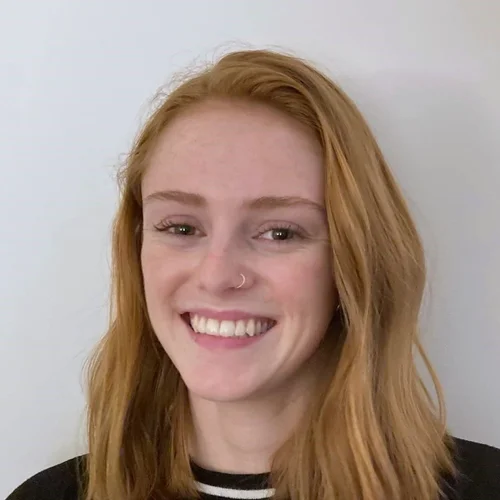
Hannah Hunter - I was a biologist in the Salmon Risk Assessment and Management program. During my Master’s in Resource & Environmental Management at Simon Fraser University, I studied BC’s recreational Rainbow Trout fishery using a simulation model to evaluate alternative hatchery stocking strategies. After joining DFO in 2023, I focused primarily on quantifying the potential effects of climate change and at-sea competition on Sockeye, Pink, and Chum salmon across the Northeast Pacific. I now work at the Pacific Salmon Foundation.